The Gray Area: A Better Approach to Return-to-Play
Today, while working with a star baseball player recovering from a shoulder injury, I was asked to provide a simple, definitive “release” stating, “This athlete is cleared for all practice and competition.” He’d been sidelined for two weeks but was eager to play in that night’s game.
Cleared? In black and white? Yep, I, and every doctor on the planet is asked this nearly every day.
The problem?
That’s rarely the best approach.
My notes, after a thorough re-evaluation, exam, and treatment, reflect the nuanced reality: “This athlete is cleared for full return-to-play criteria at the discretion of his ATs and coaches.”

The reality is, in the high school sports universe, liability issues often force a rigid “100% or Injured” policy, leaving little room for the gray areas crucial for safe and effective athlete recovery. This system often fails the athlete, prioritizing legal protection over optimal performance and well-being. However, perhaps there’s a better way ? a system that, with a bit more insight and effort, can create a superior effect, offering enhanced athlete safety and optimized performance, while also addressing liability concerns.
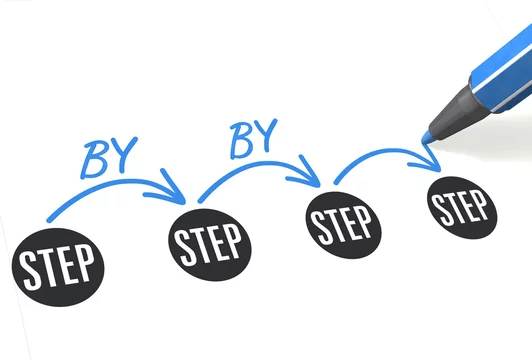
My Improved Return-to-Play Protocol: A Step-by-Step Approach
I advocate for a comprehensive, step-by-step return-to-play protocol that empowers athletic trainers, coaches, and athletes to make informed decisions. Because these individuals are with the athletes every day, they can implement a much more comprehensive and involved plan, something no doctor, despite their best intentions, can replicate in a clinical setting. The full scope of return-to-play needs to be addressed within the full scope of the sport, and those who have the best understanding of their athletes must actively participate. This method focuses on gradual progression, objective testing, and collaborative assessment, ensuring a safer and faster return to competition.
Here’s my 6-step recovery model for low-grade injuries:
- Day 1: 50%: The athlete performs drills and exercises at 50% intensity, and no matter how they are feeling, they stop. 50% is the ceiling that day; it is best thought of like a pitch count in baseball. No matter how the athlete is feeling, 50% and go home. The athlete will reassess their success with that minimal workout the next morning.
- Step 2: 65%: Intensity increases to 65%.
- Step 3: 75%: Intensity progresses to 75%.
- Step 4: 85%: Intensity reaches 85%. It is at this point that we begin to assess whether the athlete can fully participate in practice and competition. The 85%, 95%, and 100% steps are best thought of as “green lights,” indicating increasing readiness for full participation.
- Step 5: 95%: Intensity is increased to 95%.
- Step 6: 100%: Full return to competition.
Key Principles:
- Gradual Progression:
- Athletes perform the workout under observation of a trained professional (of that sport) at the designated percentage.
- Crucially, progression to the next percentage occurs only after the athlete self-assesses the following day.
- This shift moves away from a simple “How are you feeling?” towards a more objective evaluation: “How did you handle the load and demands of a sports-specific workout?”
- This allows the body to properly recover, and for the athlete to properly assess their ability to handle the previously given load.
- Objective Assessment: Reliance on subjective feelings (“How are you feeling?”) and single maximum efforts are replaced with sub-maximum testing and measurable progressions.
- Collaborative Decision-Making: Athletic trainers and coaches, who possess the most relevant sports-specific knowledge, are the primary decision-makers, with input from ancillary providers.
- Therapy as Supplement, Not Replacement: Rehabilitation and clinical work are conducted in addition to, not instead of, practice participation.
- Realistic Expectations: Acknowledging that athletes rarely compete at 100%, especially mid-season, and adjusting expectations accordingly. This, in my opinion, is the most limiting factor of most high school protocols. The assumption that an athlete is either 100% or injured. Imagine a football player in mid-October, a volleyball player, or a tennis player at the end of their season. Although their performance is still quite functional and valuable, they are rarely self-grading at 100%. The step-by-step protocol is built to be more realistic and practical. The athlete does not need to be 100% to see the field, mat, or court, but they certainly shouldn’t be at 50%. If they can’t handle the load at 50%, they have no business participating in full-speed practice and competition, despite a note of release from any doctor.
- Doctor’s Role: A doctor’s release should simply state, “Released for return to practice and competition under the Athletic Trainer’s and Coaches discretion.”
- Liability: This gray area approach, while more effective, requires the athletic trainers and coaches to document all testing, progressions, and communication. This documentation is the key to minimizing liability.
Conclusion
We must shift away from rigid, black-and-white return-to-play policies and embrace a more nuanced approach. By empowering athletic trainers and coaches, implementing step-by-step protocols, and focusing on objective, safe-load assessments, we can prioritize athlete safety and performance while navigating the complexities of liability. This approach benefits everyone: athletes, teams, coaches, and training staff. I offer these protocols as a part of my career and would be happy to help set these policies up for your school sports medical staff as an in-service.
Just contact me – this is what I do!