Visualization Is Your Target Practice
By Dr. Chad Peters | Precision Performance Concepts
Inside the Tactical Athlete Kit, every tool has a purpose. Some are physical. Some are mental. One of the most potent and widely utilized tools among professionals and elite athletes is also the most overlooked by amateurs. And yet, this tool is available for you for FREE!
This is not extra work. It is tactical training. Just like a marksman rehearses target practice until the shot feels automatic, athletes can build the same precision in their sport using mental reps.
Why Visualization Matters
Every professional athlete has access to trainers, nutritionists, and high-tech recovery gear. But the real separator is often free.
Visualization is a weapon that builds the brain-body connection without stressing the body. Research shows that when you practice in your mind, your nervous system lights up almost the same as live play. Each rep builds neural wiring. That means every mental rehearsal is a blueprint your body can follow later.
As an athlete, how can you harness the power of this weapon right now?
Step 1: You Are Not Watching a Movie
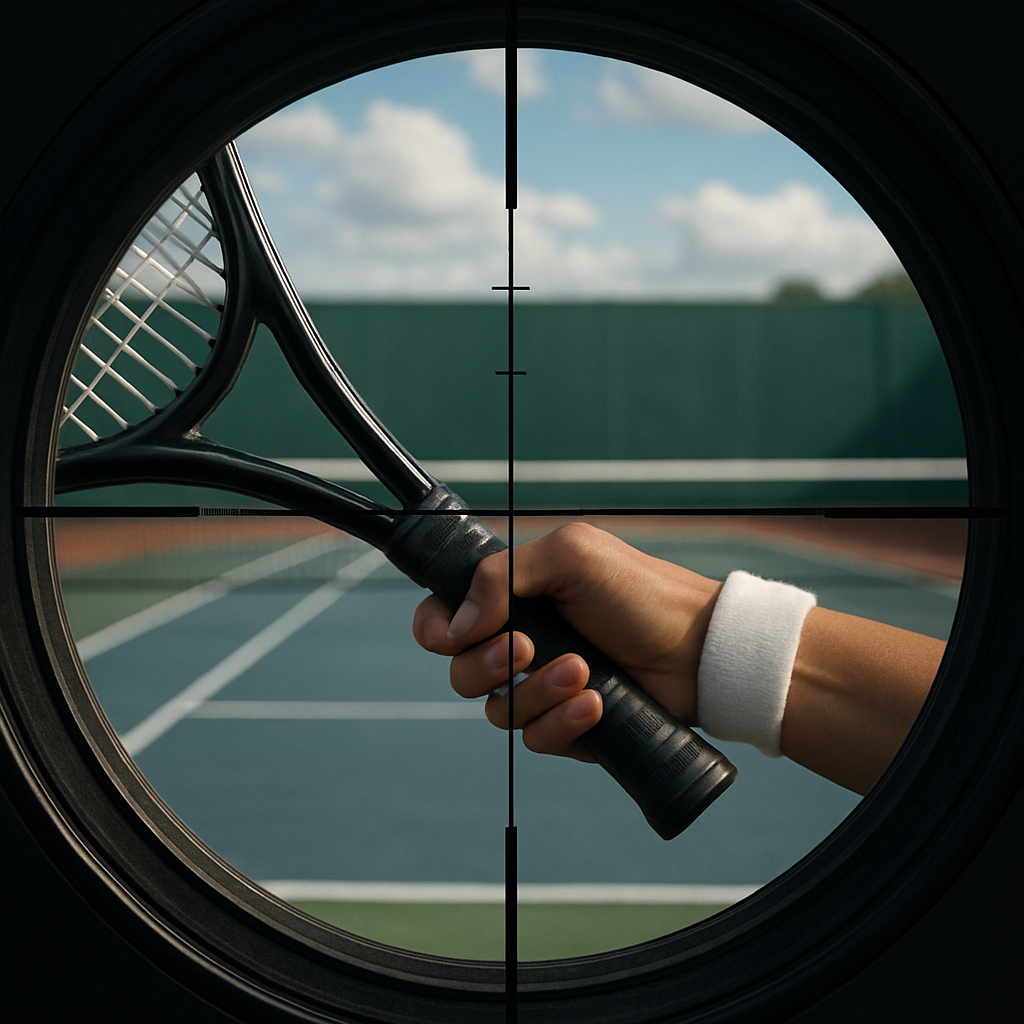
The biggest mistake athletes make when starting visualization practice is seeing themselves from the outside, like watching a highlight reel or seeing themselves as a star in a movie.
You are not the star. You are the camera. This tool works more like a first person game. (see the image that is a part of this article.)
Look through your own eyes. See the ball in your hands. See the floor stretching ahead. See the defender closing space.
When you do this, your nervous system fires as if it were real. It stops being fantasy and starts being training.
Step 2: Add the Senses
Pros do not just see it. They live it. They pull in all the senses until the moment feels real.
Adding the senses takes real practice and may seem strange initially but the power added by installing these add-ons reaps major rewards come game time.
Touch: Feel the seams of the basketball, the laces of the football, the turf under your cleats.
Smell: Locker room disinfectant. The rubber of pulled-out bleachers.
Sound: Coaches calling plays, teammates joking, the bass from warm-up music, murmur of a crowd.
Feel: The gym buzzing, sweat dripping, socks molding into shoes, the ground bouncing under your step.
6th sense for the elite. – can you get yourself through all of these sense? If so, add the energy. Can you “Feel it?” Goosebumps, flow state, electrical.
The more senses you add, the more “sticky” the memory becomes. This is how imagination becomes preparation.
Step 3: Practice Small
Visualization does not require hours. Start with 2 to 3 minutes a day.
Before bed. On the bus. In the locker room.
Choose one skill, one play, one rep. See it through your eyes. Add senses. Run it smooth, confident, successful.
Over time, the brain files these as real work. That means you have stacked practice without adding stress to your body.
What the Pros Do
At the elite level, visualization is routine.
Athletes rehearse best-case and worst-case scenarios. They imagine the pressure moments until nothing feels new. They do it daily, like taping ankles or warming up.
The difference is not talent. The difference is consistency.
Step 4: Advanced Game-Day Visualization
This level takes practice, but it pays off. Like building a video game world, you layer in more and more detail until the scene feels real.
Basketball Example
-
See the pass coming to your chest.
-
Feel the seams under your fingers.
-
Hear the crowd fade away into slow motion.
-
Watch the hoop expand in your vision, until is is massive…the size of a bath tub, impossible to miss.
Then repeat. Run it 100 times.
Add scenarios. What if you get bumped? What if the defender cuts you off? What if you need to pass?
Your brain is now armed for every possible outcome.
Real-World Proof
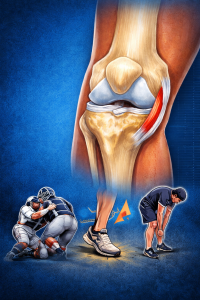
My wife, Nikki, was a Division I runner. After her second ACL surgery, she worked with sports psychologists and electrodes to monitor her brain. She practiced visualization until she could raise her heart rate to race speed and then lower it back to resting — all while sitting still.
The brain adapted. It became automatic. It paid off and she set her school 400m record after 2 ACL surgeries, faster than she had ever run.
That is the same skill professionals rely on every day. The difference is most kids never get taught how to use it. You can start today. Free. Anywhere. Anytime.
The Takeaway
Visualization is your target practice.
-
See through your own eyes.
-
Layer in the senses.
-
Run short, daily reps.
-
Advance into full game-day scenarios.
It is one of the simplest and most powerful tools in the Tactical Athlete Kit. The difference between amateurs and pros is not just talent or equipment. It is how they prepare their minds.
The Athlete’s Tactical Kit is a series of tools readily available yet often not used, check out other articles in the series if you are serious about changing your level of performance and Unlock Your Potential!