

A better explanation— And What You Actually Need to Know
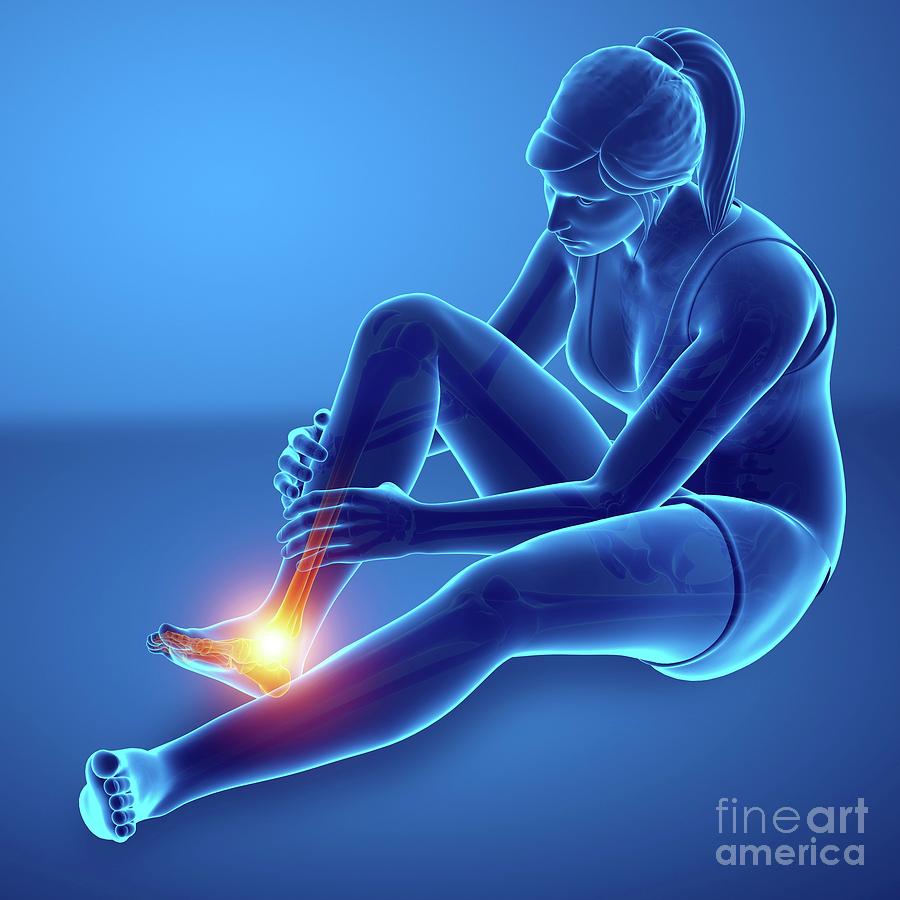
It’s the most common injury in sports.
It’s also the most over-iced, over-heated, over-stretched, under-explained, and flat-out misunderstood.
A sprain. A strain. Maybe a “tweak.” Maybe “just tight.”
Or “just give it a few days.”
And somehow… we don’t HAVE it.
What gives?
Let’s break this down my way — with zero fluff and no dated advice.

First things first – If you have this sort of injury, I think chiropractic is wonderful. A sports doc like me looks at these issues as my bread and butter. it’s what i do. But just because I am a chiro, don’t hope that there is some sort of magic pop that instantly fixes these issues. This is tissue – not alignment. These take a little time.
Sprain = ligament (bone to bone)
Strain = muscle or tendon (muscle to bone)
But let’s be real — in most real-life injuries, it’s not just one or the other.
It’s a combo platter of tissue overload, movement compensation, and brain-body confusion.
Like all injuries there are multiple different levels and a spectrum or injury.
Grade 1 is low grade, think – ankle rolled while playing hoops.
Grade 2 is a little more severe – real damage and it’s going to take a few weeks.
Grade 3 is complete rupture, – think an ACL tear requiring surgery.
Technically, I can call it torn, that’s accurate – but it’s also scary and honestly, it sounds way more severe than what it is. As an athlete would you rather have a “Grade 1 partial tear of the talofibular ligament complex” or a sprained ankle?
Terminology Matters – I have seen way to many athletes not come back from a low level injury because they had a high level diagnosis.
So let’s just stick to sprain/strain ok?
Here’s how I explain it in clinic:
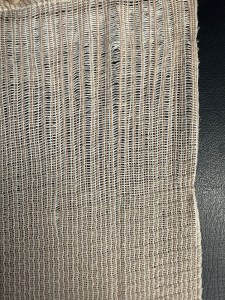
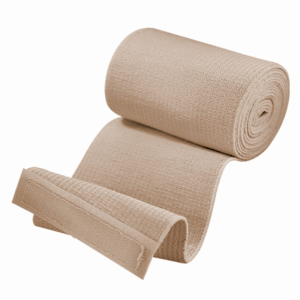
Picture an old ACE bandage — one you’ve used way too many times.
It’s frayed. Worn out. Some of the threads are stretched, some are torn.
That’s your muscle, tendon or ligament after a sprain or strain.
So, look, it’s not a full-blown tear. It’s not surgical.
But it’s weakened. Compromised.
Still holding together and solid— but Injured and not behaving like it used to.
And now it’s asking for help — stability, time, and re-patterning.
There are two big mechanisms:
The Long Stretch
Think deep yoga pose, bad lifting form, overextended without control.
The tissue got pulled past its limit — slowly, but too far.
The Fast Stretch
Sprinting and suddenly pulling up.
Quick cut and POP.
The muscle didn’t have time to brace, and it yanked like a whip.
Both lead to the same result:
A stressed, fraying, and irritated tissue that your body doesn’t fully trust anymore.
You iced it.
You stretched it.
You took a break.
Maybe you foam rolled it like crazy.
But… you didn’t actually reset the pattern.
The body responds to these injuries with a built-in safety program:
It locks down motion.
Muscles spasm to protect.
Range disappears.
Compensation kicks in.
And if you don’t interrupt that loop, you’ll heal wrong.
That’s why it keeps coming back — or why it still doesn’t feel “right.”
Don’t go straight into aggressive stretching
Don’t test your max strength to “see if it’s better yet”
Don’t assume rest = resolution
Don’t avoid it for 6 weeks and then jump back into full-speed sport
That’s how you turn a Grade I sprain into a Grade II lifestyle problem.
Here’s how I guide recovery in my office:
Use ice and gentle compression early to bring inflammation down
— but the point isn’t numbing it. It’s calming your system so the brain feels safe enough to allow motion.
Enter Ankle ABCs, gentle range of motion drills, and isometrics.
The goal isn’t to get stronger yet — it’s to reconnect the circuit.
This is the game-changer. You’re not just healing tissue — you’re retraining movement.
In clinic, we layer in:
Balance drills
Isolated muscle contractions
Toe work (toe spread, curls, lifts)
Tempo-controlled exercises
Proprioceptive drills (using visual feedback or unstable surfaces)
Because the brain needs to re-learn how to trust that area again.
Now we talk strength, load, sport-specific return.
Eccentric work. Power progression. Movement drills under fatigue.
But only after we’ve restored confidence and clean control.
Sprains and strains aren’t small. They’re not “just tight” or “a little sore.”
They’re damage to tissue and trust — and both need to be rebuilt.
You can’t shortcut it.
You can’t YouTube your way out of it.
And you definitely can’t fix it by stretching the crap out of it.
It’s the future. Understanding and treatment have changed significantly. This entire website is built to keep you modern.
Next time you tweak something?
Don’t freak out. But don’t waste time either.
Respect the ACE bandage.
And get to work rebuilding what actually matters.