A PPC Lab Injury Story
By Dr. Chad Peters
The Season
It’s September.
Across the country:
-
Cross country runners are ramping up mileage
-
Some football players are back into conditioning
-
College soccer players are stacking practices
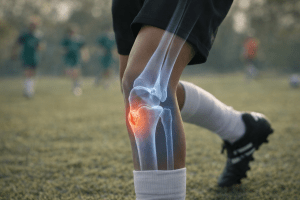
And right on schedule, shin pain starts showing up.
For some athletes, it’s familiar.
For others, it’s brand new.
The Athlete
For Justine, it was terrifying.
She’s a senior.
A returning state place winner.
A legitimate contender to win state.
She’s already committed to a highly competitive Division II university.
This year isn’t just another season.
It’s the season.
And suddenly, she can barely get out of bed in the morning.
Why Shin Pain Feels Different
Shin pain doesn’t feel like a tweak.
It feels:
-
Deep
-
Persistent
-
Relentless
And it messes with your head.
Athletes don’t just think:
“My leg hurts.”
They think:
-
“Am I breaking down?”
-
“Is this a stress fracture?”
-
“Is my season slipping away?”
Fear accelerates faster than pain ever does.
Why “Shin Splints” Is a Bad Conversation Starter
The term gets thrown around casually.
But it’s vague.
Shin pain can involve:
-
Bone stress
-
Muscle overload
-
Fascial tension
-
Ankle mechanics
-
Load errors
When athletes hear shin splints, they often default to:
-
More calf stretching
-
More ice
-
More grit
And none of that addresses the real driver.
What Actually Changed the Trajectory
For Justine, the shift was simple — and specific.
Instead of obsessing over the shins, she focused on what feeds into them.
First:
-
Making sure the ankle and foot were truly mobile
-
A simple two-minute daily routine, every morning
Then:
-
Addressing the anterior lower-leg muscles
-
Not just hammering the calves like everyone else does
This wasn’t complicated.
It was targeted.
Why This Worked So Quickly
Shin pain often lingers because people keep loading a system that can’t absorb force properly.
If the ankle isn’t moving well:
-
The shin pays for it
If the front of the lower leg isn’t doing its job:
-
The bone absorbs stress it shouldn’t
Once that balance started to return, Justine felt improvement within four to five days.
By about ten days, the pain was essentially gone. These issues are also intimately connected to the hip and as a runner, that made sense.
Smart Modification, Not Shutdown
Did she train perfectly during that window?
No.
She modified:
-
A few workouts
-
Lower volume with tissue tolerance built in.
-
Lower intensity
And here’s the key part.
Her coaches understood that:
More distance isn’t modern training.
That understanding preserved both her body and her confidence.
The Outcome
By the fourth meet of the season:
-
Justine had already beaten her old PR
Her college coaches were ecstatic.
Her high school coaches were thrilled.
And as she walked to the starting line at the state meet once again, she wasn’t scared.
She was grounded.
She knew her body.
She trusted the process.
She knew she belonged there.
The PPC Lab Takeaway
-
Shin pain is common in early-season load spikes
-
Vague labels create fear, not solutions
-
Ankle mobility matters more than endless calf stretching
-
Targeted changes beat brute-force grit
-
Smart modification preserves seasons
Shin pain doesn’t mean you’re fragile.
It means something upstream needs attention.
Want a Deeper Dive?
If you want a deeper dive into this type of injury, you can read more here:
https://sportsdocdc.com/shin-splints04/