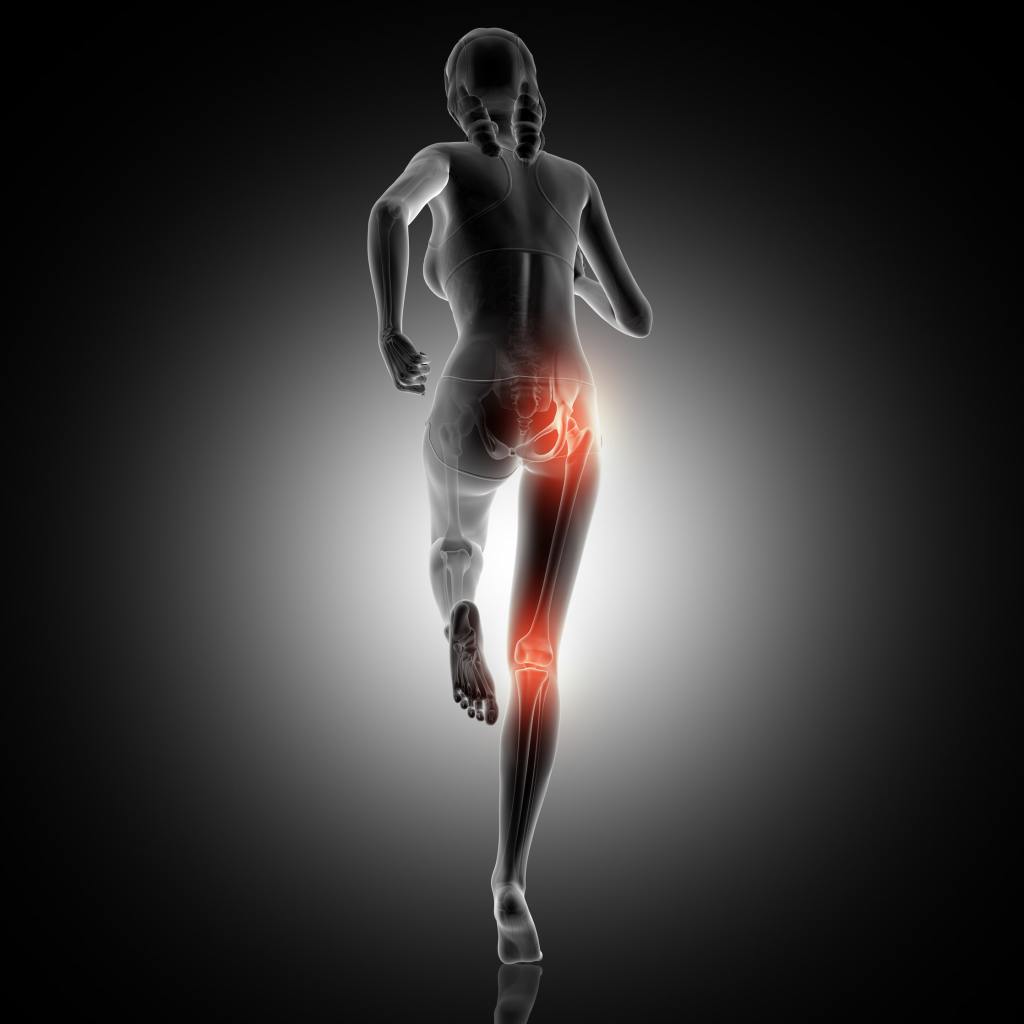
When it hurts in your hip, it could be almost anything. That’s the problem.
A friend — also a client — came into the clinic recently.
Sharp guy. Athletic. In tune with his body.
But he was stuck.
“It feels like my hip,” he said.
“But maybe it’s my back. Or my hamstring. Or my groin… I don’t know.”
Exactly.
That’s what makes hip pain so tricky.
There are so many moving parts, so many crossover zones, so many shared nerve roots and referral patterns — even seasoned athletes and professionals get it wrong.
🧩 The Setup: The Classic Misdiagnosis Loop
This client had already seen another doc — someone we both know.
That doc suspected a sciatic issue. Maybe piriformis syndrome, they said.
Sounds logical.
Pain in the butt, radiating down the leg.
Textbook, right?
Wrong.
Not because the doc was careless — but because the hip is a shape-shifter.
It can look like:
-
A disc issue
-
A hamstring strain
-
Glute tightness
-
IT band tension
-
Hip flexor pull
-
Even something wild like knee or SI joint pain
And most people?
They do what you’d expect: stretch it, foam roll it, slap a heating pad on it… and then panic when it doesn’t go away.
🔁 The Protective Loop: Why It Keeps Coming Back
Let’s say you’ve got what I call a hip triad — glutes not firing, hip flexors tight, joint not moving right.
That jammed-up movement starts irritating the bursa — the fluid-filled sac meant to cushion and protect.
So the body reacts.
It locks down the muscles even more, guarding the joint and increasing pressure.
That re-aggravates the bursa, which triggers more inflammation…
Which triggers more guarding…
That’s what we call a protective loop. Or a contraction loop. And it’s super common.
There are probably 20 different injuries and diagnoses that could technically apply here.
But honestly?
I don’t care about the label. I care about the mechanism.
What’s the actual driver?
Why is it happening?
And how do we reverse it?
That’s what matters.
Not what some doctor called it.
Not what an internet smart guy thinks it is.
You need someone with real hands-on experience to find your particular version of this.
Sometimes I use heat.
Sometimes I use ice.
Sometimes it changes within the same week depending on how your body responds.
And that’s another trap — because this injury changes so often, you may end up seeing 15 different doctors and getting 15 different explanations.
Why?
Because we all name the same patterns differently based on:
-
Our education
-
Our philosophy
-
What decade we went to school
-
What field we’re in
At the heart of it all?
Your hip isn’t moving right.
Fix that first — and a whole lot of these labels go away on their own.
🛠️ What We Found (and Fixed)
Back to my patient.
I ran him through a full eval — functional testing, palpation, mobility work, gait observation, the works.
My diagnosis?
Low-grade bursitis + anterior hip binding + joint misposition.
In simpler terms?
His hip couldn’t move right because the front was locked down, and the back was overworking to compensate.
His anterior chain — hip flexors, psoas, iliacus — was stuck.
Fascia was glued.
No rotation. No slide. No mobility.
And the backside?
Tight. Not because it was strong — because it was stressed and elongated.
💥 The Turnaround
I told him:
“This won’t be an overnight fix, but I think you’ll feel better today.”
And after one treatment?
“Dude… I feel like 95% better.”
He couldn’t believe it. Neither could the doc who referred him.
But to me, this is the whole point:
Diagnosis matters.
Not just for picking the right treatment — but for stopping the spiral of confusion and self-doubt athletes go through when their hip pain doesn’t make sense.
🎯 Tiger Was Right
Remember when people laughed at Tiger Woods for saying he needed “glute activation” before a tournament?
They called it a joke. Memes everywhere.
But what if — stay with me here — the most elite golfer in history, with a multi-million dollar medical staff, was… right?
What if glute activation, hip balance, and movement prep weren’t fringe ideas —
but just ahead of their time?
Now?
Every high-level coach and rehab pro in the world trains hip control first.
Because it works.
📚 Want to Go Deeper?
If you’re stuck in that loop, don’t just treat the flare-up.
Step back and look at the whole picture:
-
Read up on the Hip Triad
-
Review Glute Activation and why the back side matters
-
And yes, check out the Disc Strain Breakdown — it might not be your hip after all
You may need to work on more than one of these at the same time to really make progress.
🧬 Final Takeaway
Hip pain is one of the most misunderstood conditions in sports medicine.
It doesn’t show up clean on scans.
It mimics other conditions.
And it doesn’t respond well to lazy, copy-paste treatment plans.
But…
If you dig deeper — past the foam rolling, past the disc label, past the old-school , piriformis – IT – Hip Flexor and outdated stretching plans — you’ll find something you can actually work with.
Most hip pain can be resolved.
You just have to understand what’s really going on.
It’s the future. Understanding and treatment have changed significantly. This entire website is built to keep you modern.
Confused about your hip pain? Don’t self-diagnose. start with movement and pay attention.