Understanding the 3-Muscle Combo That’s Often Behind Nagging Hip Pain
💡 You’ve probably had what you thought was a hip flexor issue…
But what if that pain isn’t just one muscle? (hint: its not!)
What if it’s a team of three, working together — or failing together? (it usually is.)
Welcome to the Hip Triad:
Psoas (Hip Flexor) • Rectus Femoris (Quad) • Sartorius
These are the three major muscles making up the front line of your hip system.
They’re:
-
🔹 Powerful
-
🔹 Active
-
🔹 And almost always tight — especially in athletes and desk-sitters
🔍 What Exactly Is the Hip Triad?
The psoas, rectus femoris, and sartorius run deep and wide across the front of your hip.
These muscles are responsible for:
-
✅ Lifting your knee
-
✅ Sprinting, kicking, and accelerating
-
✅ Stabilizing your pelvis
-
✅ Cutting laterally and staying agile
When these three muscles are overused — from:
-
🪑 Sitting too long
-
🏃♂️ High-volume training
-
🛌 Inadequate recovery
They create a pressure zone right where your thigh meets your torso.
🚨 You Might Feel:
-
A deep, hard-to-stretch tightness in the front of your hip
(often mistaken for the outdated diagnosis — IT Band Syndrome, SI joint issues, bursitis, “tight hip flexor” -
A sharp “pinch” when sprinting or kicking
-
A lingering ache that just won’t fully go away
Most people blame just the hip flexor…
But treating only one muscle misses the bigger picture.
🎯 Why This Matters
Here’s what’s really going on:
👉 When one muscle gets overworked, the overlapping tissue where all three connect can adhere — like they’re glued together.
That “glue” creates:
-
Disrupted muscle timing and activation
-
Poor firing sequences during motion
-
Compensations across the pelvis and core
And then the chain reaction starts:
-
The front side of your hip shortens
-
Your hip joint gets pulled up and in
-
Your glutes become overstretched — and can’t fire effectively
❌ Most stretches don’t help, because this isn’t just about flexibility.
It’s about neuromuscular dysfunction. A complex of events that takes more than one fix.
🛠️ The Fix (And No, It’s Not Stretching)
We need a smarter approach that respects the complex structure of the Hip Triad.
✅ Step 1: Targeted Soft Tissue Release
Focus directly on the triad zone — where these muscles stick together.
Tools like hands-on release and separation or instrument-assisted soft tissue mobilization work well here. Often, it’s just not an issue you can fix by yourself.
✅ Step 2: Glute Activation
The big muscle has to do its job.
When glutes don’t fire well, everything else gets overloaded.
Specifically target:
-
Glute Medius (One of the hidden – elite athlete secrets)
-
Glute Max
-
Posterior chain integration
🔑 Glute activation can improve stability, strength, and total-body control — fast.
✅ Step 3: Movement Resets
You must retrain the hip to move correctly. My favorite (yes, even before 90/90s) is simple, full Hip Circles, often called “open and close the gates”. (20 reps with a focus on BIG motion. )
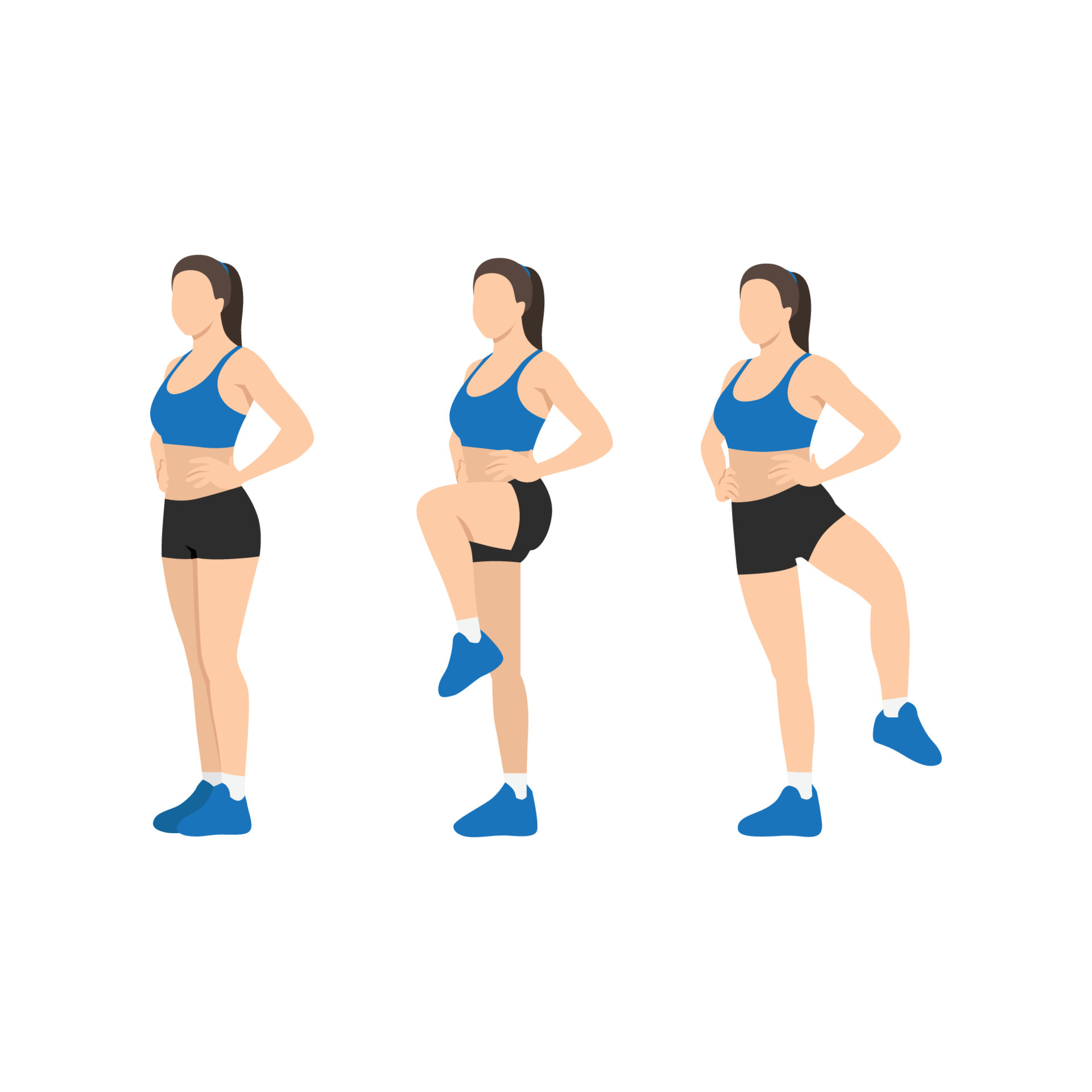
Focus on hip mobility drills, controlled articular rotations, and activation before all else.
💡 Check out our companion guide:
📄 “The Modern Warm-Up” — your roadmap to fixing hip motion for good.
🧠 Final Thought
The Hip Triad isn’t some exotic diagnosis.
It’s a common pattern, especially in:
-
🏈 High school and college athletes
-
💻 Desk-bound adults
-
🧘♀️ Fitness enthusiasts
Not because of what they’re doing on the field…
But because of what they’re doing off it: Sitting all day.
🗝️ Once You See It, You Can Fix It.
You don’t need:
-
Another MRI
-
A new stretching routine
You need:
-
A better understanding
-
And a better plan
Let’s simplify the problem — and take back control of how you move.