
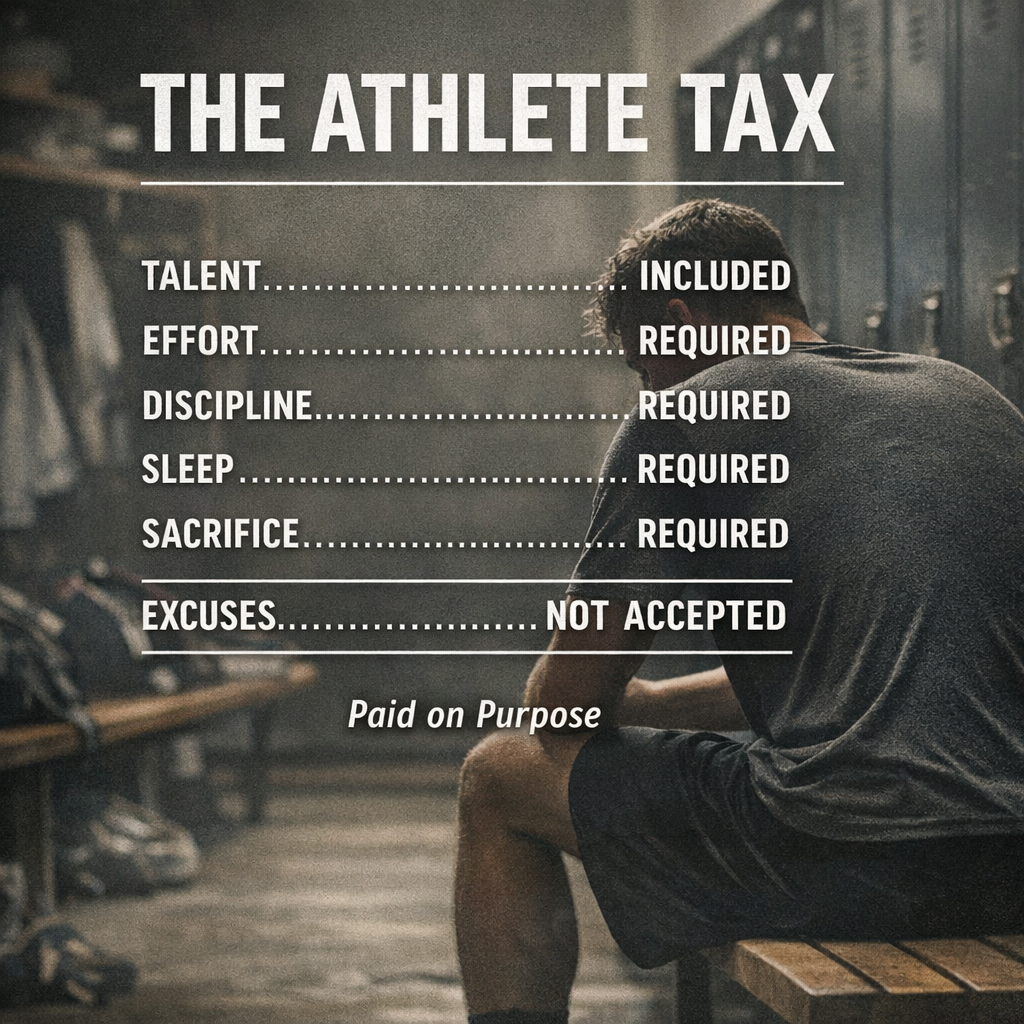
PAYING THE TAX – the real cost and benefits of being a collegiate athlete
If you want that experience, there is a price to pay.

Unlocking Softball Potential – with Extra Inning Softball
For softball parents, players, and coaches—this article is a companion to my recent Extra Inning Softball podcast segment. We break down the unique energy of softball, why fun is more than just a slogan, and how practical tools like mobility training, smarter strength work, and even watching youth games can reignite performance at every level.
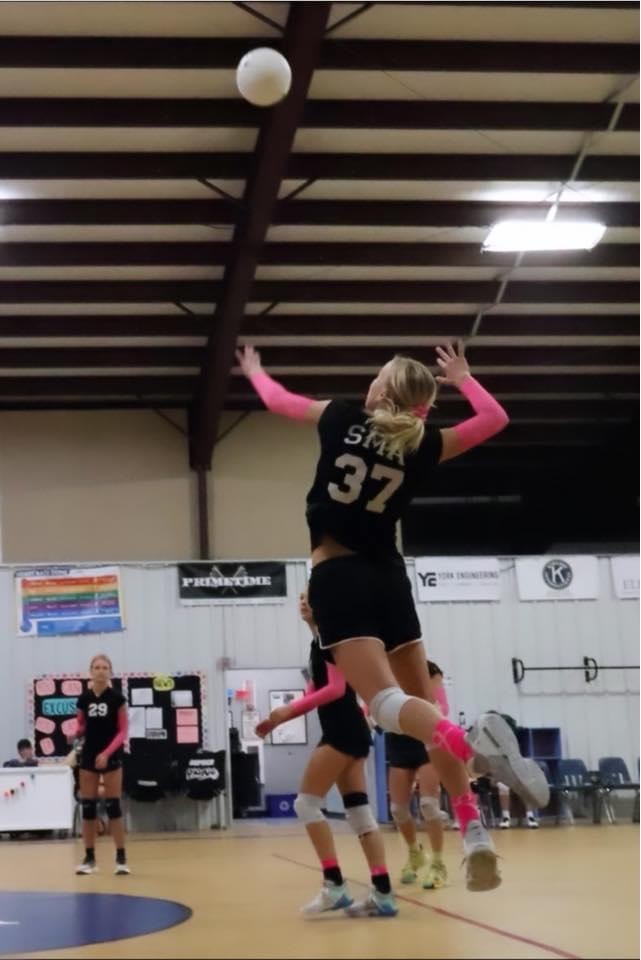
Volleyball made easy. A cheat sheet for parents.
Volleyball isn’t “bump, set, spike” anymore, and if you’re still hearing that, someone hasn’t watched the game in decades. If you’re wondering what all the shifting and wrapping around is as the ball goes over the net, it’s time for a refresher.
This sideline ready guide breaks down everything parents need to know to follow their athlete’s growth, from pass to kill, rotation to role. It’s time to learn the real game. Show your kid you’re proud to understand it.

The Pro Habits Every High School Athlete Can Steal Today
You can’t fake greatness. You can’t shortcut the work.
But you also don’t have to wait to start living like an athlete.
The blueprint is already in front of you.
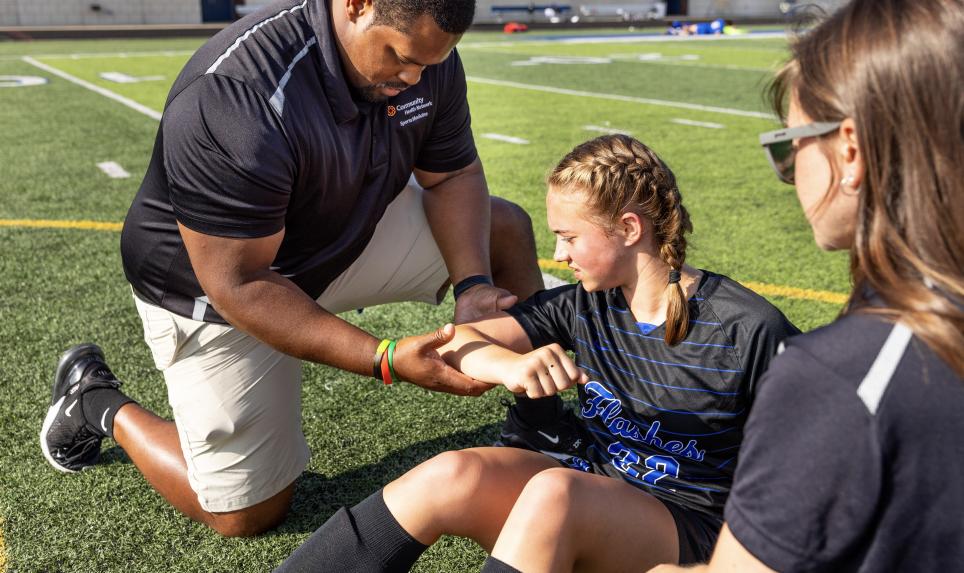
Building Real Relationships with Athletic Trainers
Athletic trainers are a key factor to a team’s success. Forget what you’ve heard, your athletes NEEDS to have a relationship with the people that care for them the most.

Basketball Cheat Sheet for Parents New to HOOPS.
If you’re new to basketball, here’s a quick cheat sheet to get you up to speed. You’re going to love this game, nearly as much as your kid will!
PAYING THE TAX – the real cost and benefits of being a collegiate athlete
If you want that experience, there is a price to pay.

Speed Depends on Permission, Not Effort
When speed drops, most programs push harder. That often makes things worse. Speed isn’t forced by effort – it’s regulated by the nervous system. This article explains why timing, recovery, and coordination matter more than grinding.
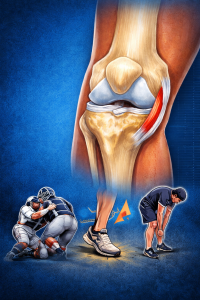
MCL Sprains explained
Inside knee pain after a twist, plant, or side hit?
That’s often the MCL (medial collateral ligament).
A Grade 1 MCL sprain usually means the ligament is stretched and irritated — not torn in half — but it still needs the right plan so it doesn’t keep flaring up.
New article is live: Grade 1 MCL Sprain: What it is, why it hurts, and what to do next.

TRE and the 20-Pound Question
Running back TRE had a breakout junior season. Heading into his senior year, he wanted more of what made him successful. What he did not realize was how close he came to falling into a trap many athletes still do and how one small shift changed everything.

In-Season Soccer Training: A Speed-First, No-Fatigue System
I built this article specifically for coaches as part of Precision Performance Concepts. It outlines a speed-first, no-fatigue in-season training system designed to complement practice, protect athletes, and help teams preserve and even increase speed throughout the season. PPC works directly with teams to support in-season training, speed development, and real-world implementation that fits actual schedules and competitive demands.

Electric From the Opening Tip
They had the skill.
They had the size.
They had the experience.
And yet, every night, it took a quarter before the Knibbs Bulldogs looked like themselves.
Fans said they needed to wake up. Coaches pushed harder. Players tried to force energy.
But what if effort was never the problem?
This PPC Lab story explores why some teams look electric from the opening tip while others spend the first few minutes searching for rhythm, and why the difference has less to do with motivation and more to do with how teams prepare to turn on.
