Athletes: Turn Your Downtime Away from Distraction
I hear performance trainers, myself included, talk about kids being addicted to their phones. I understand the concern, but I see it differently.
Phones and connections are part of who we are. Calling it an addiction is too simple. I use my phone all the time. We all do.
For this article, I want to talk about it another way: deliberate effort to avoid it, and why that matters.
Why Downtime Matters More Than You Think
In sports performance, some of the most valuable work does not happen during a sprint, a heavy lift, or even inside the game.
It happens in the background.
Imagine your brain as a computer. What you see on the screen are the obvious tasks. Beneath that, the system runs background programs, sorting, connecting, and processing information.
Your brain does this too, only about a billion times better.
This background work makes your performance smoother and more efficient over time.
But when every spare moment is filled with scrolling, swiping, or endless content, that background system is interrupted.
You put in more input but give it less time to process.
The result is lost power.
Your brain never gets the chance to quietly update and organize. Performance drops and potential is left on the table.
The Hidden Cost of Constant Input
We live in an incredible time for athletes. You can learn new drills, recovery methods, or nutrition strategies in seconds. Coaches and players can access more performance knowledge in a week than some had in an entire career.
Connection is the magic word.
The problem is not access. The problem is overload. All that information still needs time to sink in.
It used to be said that KNOWLEDGE IS POWER. But knowledge is everywhere. For modern athletes, it’s application. 1000s of reps and actually doing all the cool new ideas. Mental reps count every bit as much and probably more!
Your brain has to filter, process, and connect ideas. It has to imagine, visualize and piece together the steps.
Without quiet time, the subconscious cannot build those hidden links. The connections are hindered.
Today, distraction is the default. Every gap in your day is filled automatically. Stoplights, timeouts, halftime, even the minutes before bed. The phone comes out and the noise begins.
It feels harmless, but it is not neutral.
For athletes, this habit has a cost.
Downtime Is Not Wasted Time
Stillness feels awkward.
Sitting in silence is uncomfortable at first, but what feels uncomfortable is actually growth. It is a skill, just like speed, strength, or math. And like any skill, it takes practice.
Quiet moments are where your brain resets. They are where connections form, patterns lock in, and ideas rise to the surface. This is not wasted time. This is training at its deepest level.
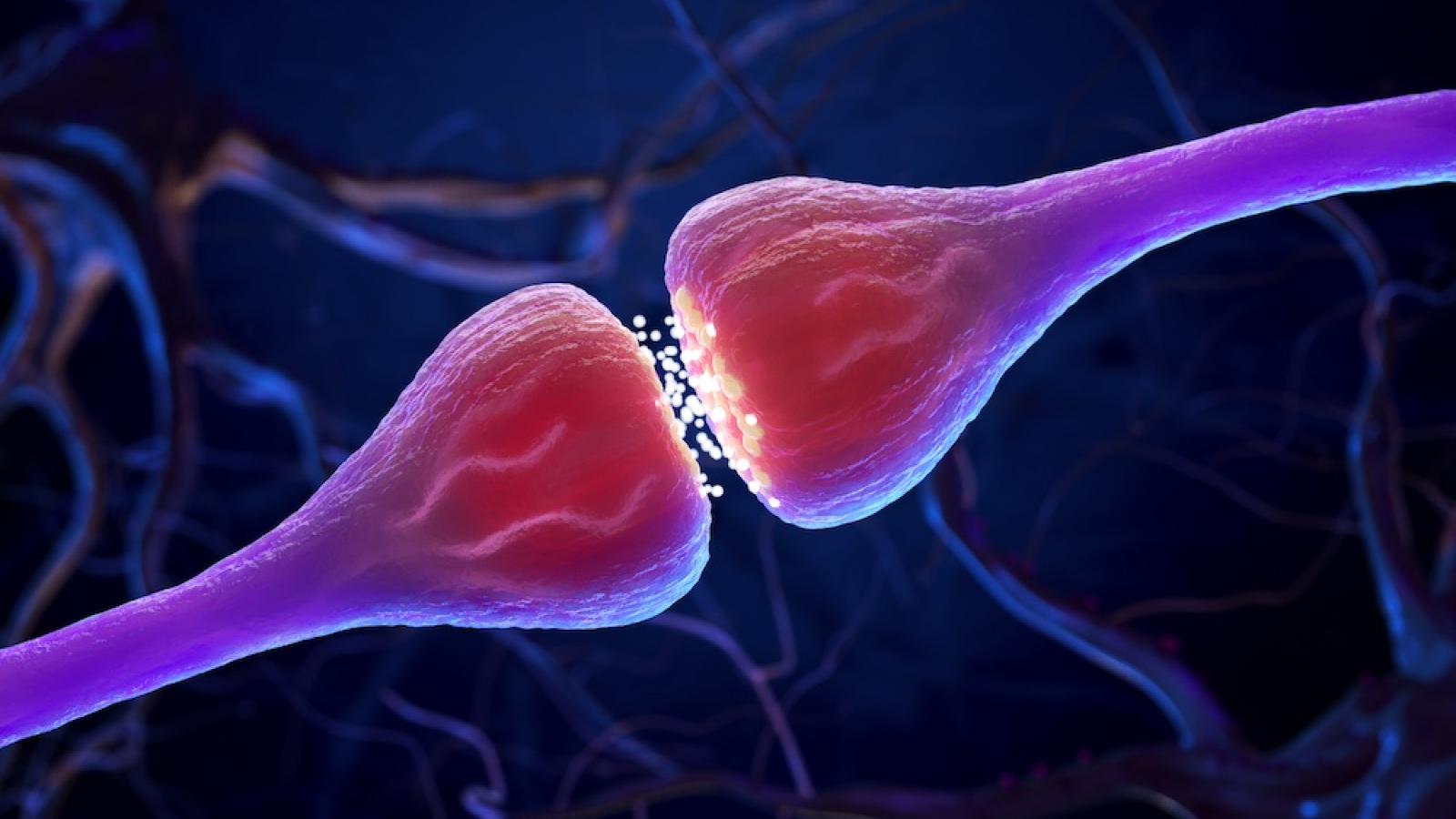
When downtime happens, synapses connect the dots. Your body gains faster processing, quicker decision making, and skills that multiply rather than stay separate.
Your brain weaves this information together in ways that allow for immediate improvement.
This is a weapon in the performance world, and it is one you lose if you are scrolling.
Try this: after practice, or even at a stoplight, resist the urge to grab your phone. Sit for five to fifteen minutes. Give your subconscious a direct command: make me better without me expending any energy. You may not feel anything happening, but your brain is running powerful updates in the background.
Averaging Out and Wasting Elite Potential
In my book Unlocking Athletic Potential I describe a trap called “Averaging Out.”
It happens when athletes have elite skills but never maximize them because they fail to use what is already available.
It is like bringing the strongest tool to a competition and choosing not to use it.
It is like having LeBron James on your high school team and leaving him on the bench.
When you live in distraction, you are averaging out.
You are giving up one of your most valuable weapons. Your brain is capable of processing, refining, and upgrading performance automatically. It connects the dots that training alone cannot. It’s what EVERY elite athlete is preaching but is almost never done at the amateur levels.
Because if you never allow stillness, you never access that weapon.
The Three Step Process to Beat Distraction
Step One: Notice the Moment
Awareness is the first step. You have to know that the habit exists and consciously recognize it.
Pay attention to when your hand reaches for your phone without thinking. That single moment of recognition is powerful.
Step Two: Choose the Pause
Do not give in to the reflex. Hold back and allow yourself to sit in stillness. Smile, knowing that just like extra workouts or better nutrition, this small invisible step is performance training too. This is where your subconscious starts to work for you. You can think about the practice, game, film session or strategy but the magic is, you might not even have to!
Step Three: Prime the Subconscious
Do not wait passively. Talk to yourself. Tell your brain what to do. Make me better without me doing anything.
You are activating one of the most powerful tools an athlete has.
Why This Matters for High Performers
At Precision Performance Concepts, we believe the difference between good athletes and great athletes is not just strength or speed. It is awareness, mindset, and the ability to maximize every tool available.
Downtime is not wasted. It is the hidden training ground where the subconscious builds connection, confidence, and clarity.
Distraction is easy. Stillness is hard.
But stillness is where the next level is built.