Why most neck, upper back, and shoulder tightness is actually a shoulder blade problem

That’s it! Do that daily for a few days and watch your tension melt.
If you want to learn how to decrease neck tension and upper back tightness, look at the infographic above.
Honestly, for many people, that image alone is enough.
Barring a major injury, this simple concept alone will help reduce a huge percentage of the neck, shoulder, and upper back tightness I see every single week in clinic.
After nearly 25 years of treating athletes, parents, desk workers, lifters, baseball players, quarterbacks, softball pitchers, and people who simply sit at a computer too much, one pattern becomes impossible not to notice.
Whenever somebody tells me they hold stress and tension in their upper back and neck, I tell them for most people it’s simply not true. They have a shoulder/scapular problem, and they sit at a computer or phone all day. Their shoulders just aren’t moving properly.
The shoulders roll forward.
The shoulder blades stop moving correctly.
The neck and traps start doing work they were never supposed to do.
So, people stretch the neck.
Massage the traps.
Roll the upper back.
And sometimes that helps temporarily.
But if the shoulder blades themselves are not moving properly, the problem usually returns.
That is why the infographic above matters.
The Big Idea
Your shoulder and your shoulder blade are connected…
…but they should also be able to function independently.
That’s the part most people miss.
Most people move their entire shoulder girdle as one stiff block.
But healthy movement requires the shoulder blades to:
- Glide
- Rotate
- Pinch
- Flatten
- Stabilize
- Move independently from the shoulder itself
That is what these drills restore.
Not strength.
Not bodybuilding.
Not “burn.”
Awareness.
Activation.
Control. Look at it like – the map is off, the GPS isn’t seeing correctly.
Teach your brain where the shoulder blades are again.
Exercise 1 — Upper Shoulder Blade Pinch
This movement targets the upper medial portion of the shoulder blades.
The cue:
Imagine pinching a ponytail between the upper part of your shoulder blades.
The rowing motion matters.
Notice in the infographic that the movement starts with the arms low and forward — almost like the beginning of an overhand-grip row machine.
From there, you pull upward toward pectoral height while gently bringing the upper shoulder blades together.
Not aggressively.
Not heavy. It’s about controlling the upper aspect of your shoulder blade.
This is about movement quality, not resistance.
Exercise 2 — Mid Shoulder Blade Glide
This is the one most people have never truly done correctly.
The middle portion of the shoulder blade should be able to glide flat toward the spine.
The best mental image?
Think of the Predator movie stance.
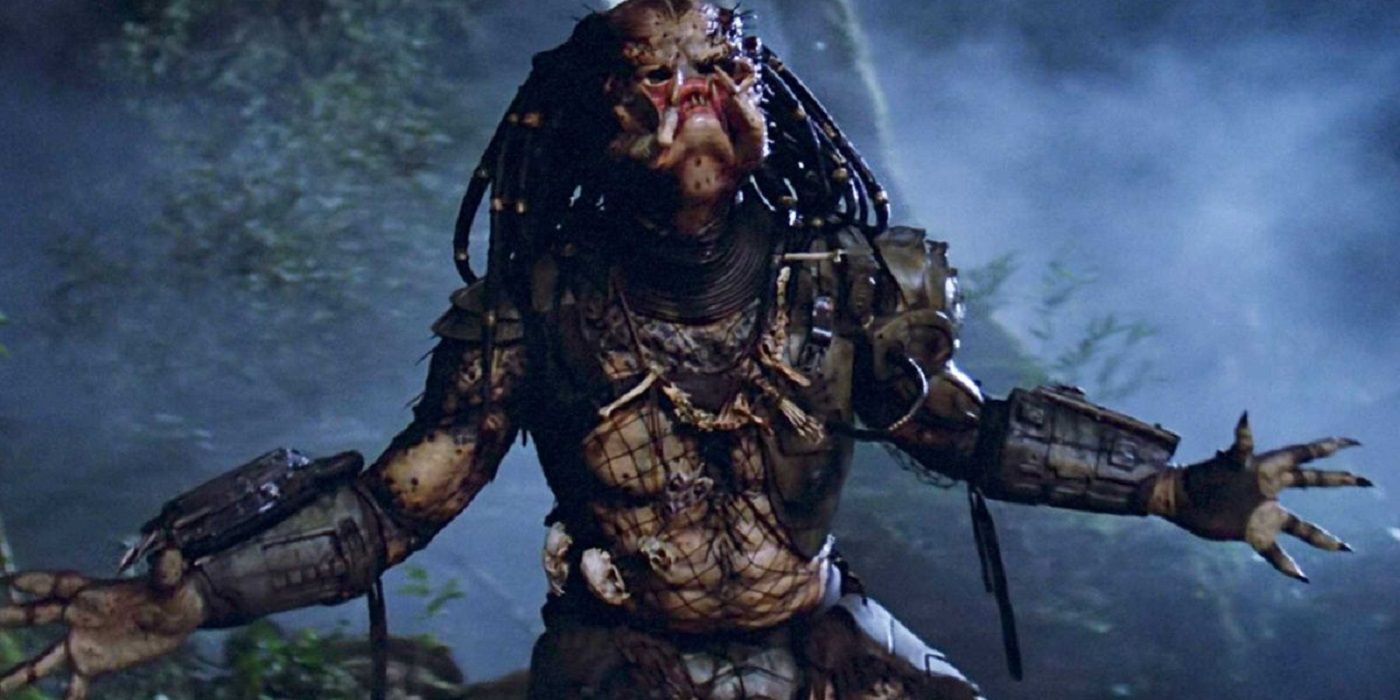
Arms wide.
Sweeping outward.
Almost like a wing-flap motion.
This helps the shoulder blades flatten and fold inward through the middle portion.
That “Pinch a karate chop in the middle of your back” cue works extremely well because it gives your brain a target.
You are trying to pinch toward that center point.
Exercise 3 — Lower Shoulder Blade Activation
This one changes everything for some people.
Most people have almost zero awareness of the lower angle of their shoulder blades.
That lower angle should absolutely be able to move independently from the upper portion.
The movement is an underhand-grip row.
Palms up.
Elbows tucked close to the body.
Arms stay tight.
Then gently row backward while bringing the lower angles inward.
The cue I use most often:
Imagine trying to unlock a bra strap using the lowest part of your shoulder blades.
Funny cue.
Ridiculously effective.
Stage Two — Real Shoulder Blade Control
Once you understand the movements, the next phase begins.
This is where things become really interesting.
Now stand with your arms out wide and see if you can move your shoulder blades without moving your shoulders at all.
That’s the goal.
True shoulder blade control.
Not shrugging.
Not yanking.
Not using momentum.
Actual scapular awareness.
That is where many athletes suddenly notice:
- Better throwing mechanics
- Improved shoulder endurance
- Cleaner overhead motion
- More accurate free throws
- Better follow-through
- Less neck tension during workouts
Quarterbacks especially tend to notice the football begins to “dive” correctly at the end phase of the throw because the shoulder blade finally starts functioning correctly during deceleration.
That matters more than people realize.
Why This Works
The shoulder blade is one of the most overlooked structures in modern rehab and training.
And honestly?
It is often mistreated.
People jump immediately into:
- Stretching
- Foam rolling
- Massage
- Strength work
- Mobility drills
- “Corrective exercises”
…before first restoring basic scapular awareness.
But if your brain cannot control the shoulder blade correctly, adding more strength on top of dysfunction often just creates stronger dysfunction.
That’s why activation comes first.
And in my experience, these three drills alone solve a shocking number of problems.
Start Simple
Top together.
Middle together.
Bottom together.
That’s it.
Start there.
Slow reps.
Small motion. More Blade than muscle.
Full awareness.
And for many of you, the infographic above may honestly become one of the most useful quick fixes you’ve ever tried.